
Field Operations
Running A Multi-Trade Shop: HVAC, Electrical, And Plumbing In One System
1 min readJobOpsPro
How multi-trade contractors run heating, electrical, and plumbing crews on a single dispatch board with skill-based assignment, shared customers, and one set of numbers.
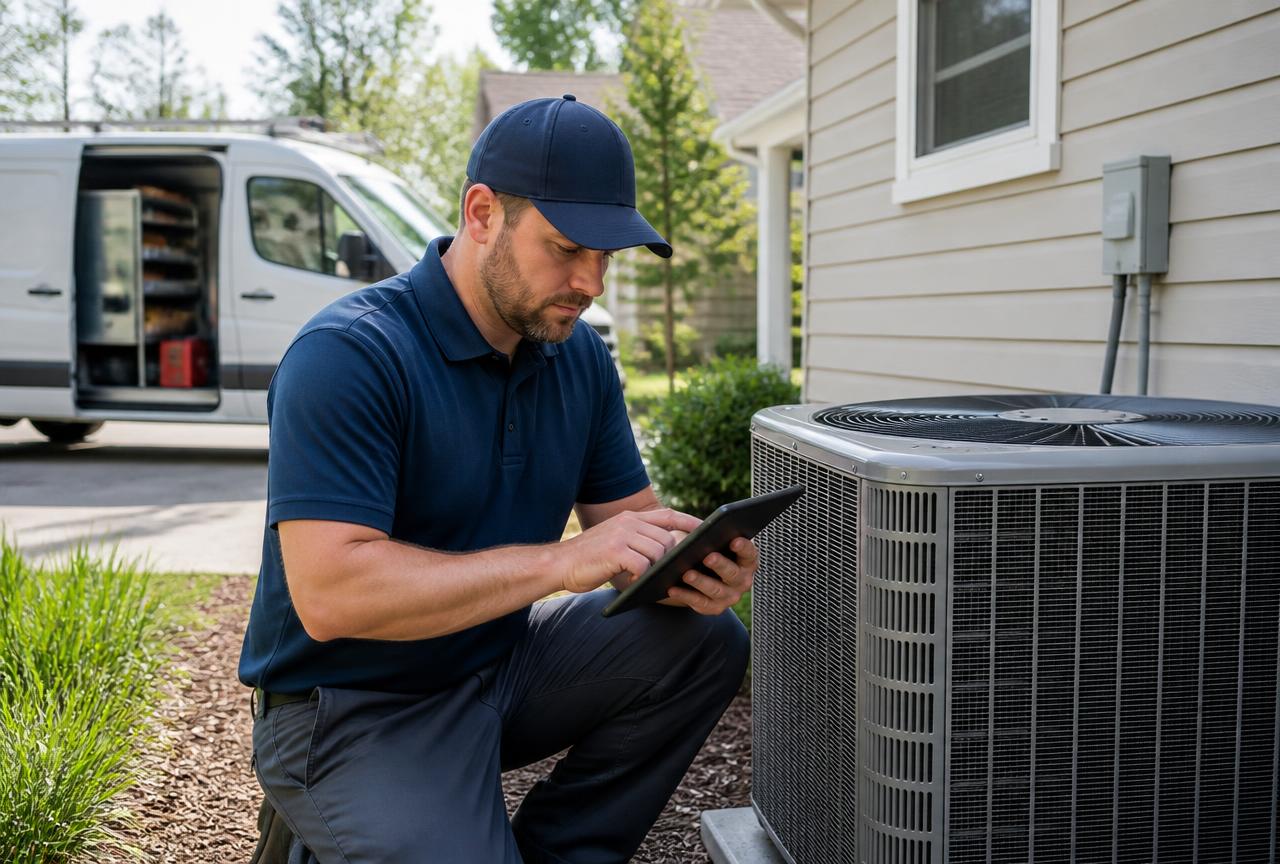
Shops that added electrical or plumbing to an HVAC business usually end up with two or three systems that do not talk. Customers get duplicated, revenue is reported separately, and no one can see the whole day at once.
One Board, Every Crew
The dispatch board shows all technicians regardless of trade. Filter by skill to see just the electricians, or leave it open to see the whole shop. When a heating call and a panel call are on the same street, you can see it.
Skills Decide Assignment
Each technician carries skills — refrigeration, journeyman electrical, gas piping, drain cleaning. Jobs are matched to skill and proximity, so a licensing mismatch is caught before dispatch rather than at the door.
Shared Customer Records
A homeowner is one record with one service history no matter which trade shows up. That history is what turns a drain call into a water heater quote, and a no-cool call into a panel upgrade.
Pricebooks Per Trade
Keep separate pricebook sections for each trade while estimates, approvals, and invoices follow one workflow. Technicians only see what applies to their work.
Reporting That Adds Up
Revenue, close rate, and technician productivity are reported across the shop and sliceable by trade, so you can tell whether the new electrical division is actually paying for itself.
Cross-Selling Is A Workflow, Not A Hope
When a plumber notices a failing panel, the note lands on the customer record and the office can schedule the electrical visit from the same screen. Nothing gets handed off on a sticky note.
One system, one price of $25 per user per month, and one version of the truth for every trade under your roof.